
Al Hakim At-Termizi Mausoleum in Termez
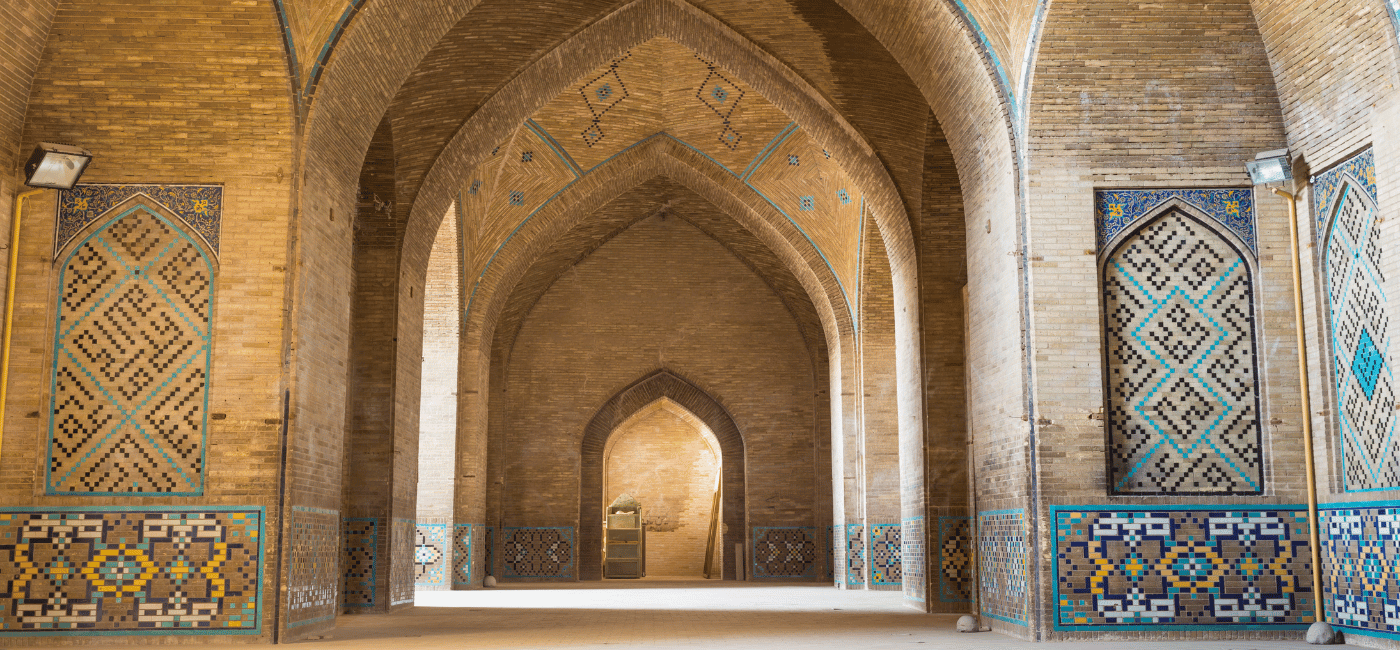
Al Hakim At-Termizi Mausoleum
The Al Hakim At-Termizi Mausoleum is a significant historical and architectural monument located in Termez, Uzbekistan. It serves as the final resting place of Abu Abdullah Muhammad ibn Ali al-Hakim at-Termizi (approximately 755-869 CE), a renowned Islamic scholar, mystic, and the founder of the Hakimiyya order of dervishes. Revered as the spiritual patron of Termez, he is affectionately known as Termez-ota, meaning "Father of Termez."
Historical Background
The mausoleum's origins trace back to the 9th century, constructed atop the scholar's grave. Over the centuries, the complex expanded to include various structures added between the 11th and 15th centuries, reflecting the evolving architectural styles and the site's enduring significance.
Architectural Features
The mausoleum complex encompasses several interconnected structures:
- Mausoleum: The central building is a square-shaped structure with a domed roof, featuring intricate stucco decorations and terracotta embellishments. The interior houses a marble cenotaph adorned with elaborate carvings and inscriptions.
- Mosque: Adjacent to the mausoleum is a mosque with three domes, constructed during the 11th–12th centuries. The mosque includes a mihrab (prayer niche) and exhibits architectural elements characteristic of that period.
- Guesthouse (Khujras): Built to accommodate pilgrims, the guesthouse features cells and communal areas. Notably, during the Timurid dynasty in the 15th century, the guesthouse underwent significant renovations, including the addition of a higher foundation and refurbished cells.
Renovations and Preservation
Throughout its history, the complex has experienced multiple renovations:
- 14th Century: A new, smaller mausoleum was constructed adjacent to the original structure in 1389-1390, as indicated by inscriptions on the portal.
- 16th Century: During Abdullakhan's rule (1583-1598), a new mosque with eight domes was added, along with an entrance porch and additional mausoleums, enhancing the complex's grandeur.
- 20th-21st Centuries: Extensive restoration efforts took place between 1980-1981 and 2001-2002, focusing on preserving the intricate architectural details and ensuring the site's structural integrity.
Cultural Significance
The Al Hakim At-Termizi Mausoleum remains an active pilgrimage site, attracting visitors and devotees who seek to honor the esteemed scholar. Its architectural splendor and historical importance offer profound insights into the spiritual and cultural heritage of Uzbekistan.
Visiting the mausoleum provides a unique opportunity to explore the rich tapestry of Islamic architecture and the enduring legacy of one of Central Asia's most influential figures.
List of Top Sights to See in Termez
| Al Hakim At-Termiz Mausoleum | Fayaz Tepa |
| Fortress Kirk Kiz | Friendship Bridge |
| Jarkurgan Minaret | Karatepa |
| Kokildor-Ota Khanaka | Stupa Zurmala |
| Sultan Saodat Ensemble |

