
Karatepa in Termez
Karatepa
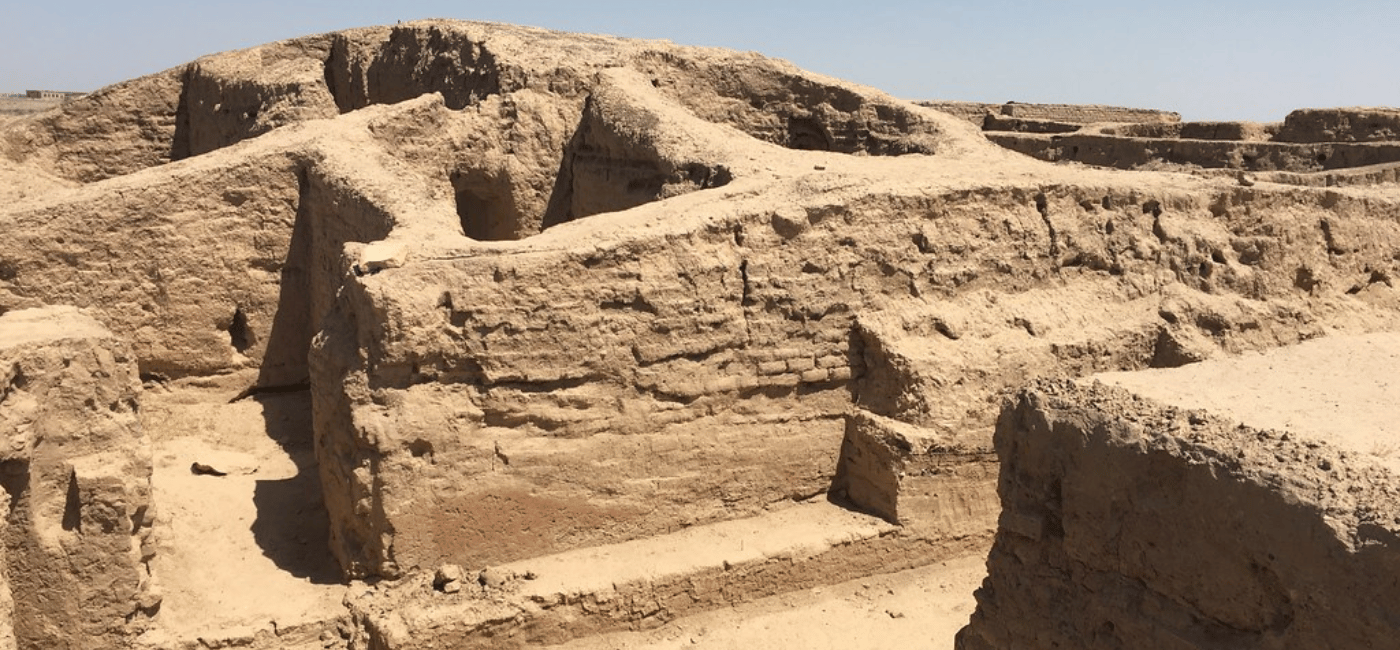
Karatepa, located in the northwestern part of Old Termez in southern Uzbekistan, is one of the most significant Buddhist archaeological sites in Central Asia. Spanning over seven hectares, this ancient complex flourished between the 2nd and 4th centuries AD, serving as a major center of Buddhist culture along the Silk Road. Its name, meaning "Black Hills," derives from the sandstone hills upon which it was built.
Historical Background
Karatepa was renowned for its unique combination of ground-level and cave architecture. Throughout the sprawling site, numerous monasteries and temples were constructed either by carving vast caves into the sandy hills or building brick and clay structures on the slopes. This fusion of architectural styles reflects the adaptation of Buddhist monastic communities to the region’s natural landscape.
During the Kushan Empire, Karatepa was known as "Khadevakavihara," translating to "Royal Monastery." This period marked a golden age of Buddhism in the region, with the complex thriving as a spiritual and cultural hub.
Artistic Heritage and Religious Significance
Archaeological excavations have revealed numerous murals and fresco fragments within Karatepa’s temples, many of which carry profound spiritual symbolism. Among the most remarkable depictions is that of the Buddha overcoming worldly temptations such as greed, laziness, retribution, pride, and ill will, ultimately achieving the seventh stage of Ashtanga Yoga. These paintings, created with glue-based pigments, vividly portray the Buddhist philosophy of transcending earthly desires.
The complex also featured many stupas - dome-shaped structures designed to enshrine sacred relics. Researchers have discovered a wealth of stone sculptures of the Buddha, further emphasizing Karatepa’s role as a significant religious center.
Later History and Transformation
By the 4th and 5th centuries AD, Buddhism in the region began to decline, leading to the abandonment of many of Karatepa’s buildings. Caves were repurposed for burials, and some entrances were sealed with bricks. Despite this decline, certain sanctuaries continued to serve Buddhist communities into the 4th century.
In the 9th to 12th centuries, the half-collapsed caves found new life as refuges for Sufi hermits, reflecting the ongoing spiritual significance of the site even after the decline of Buddhism in Termez.
Today, Karatepa stands as a remarkable testament to the diverse cultural and religious history of Uzbekistan. It remains an essential destination for historians, archaeologists, and travelers seeking to explore the region’s Buddhist heritage and its role along the ancient Silk Road.